
Where is our community? This Google map shows the locations of everyone who has registered a blog site at http://openlearninghub.net. The map will update over time, so be sure to check back. [Post by Steve Greenlaw, and lightly edited for the Hub by Gardner Campbell.]
Category Archives: Virginia Group
Virginia Faculty Collaborative Group
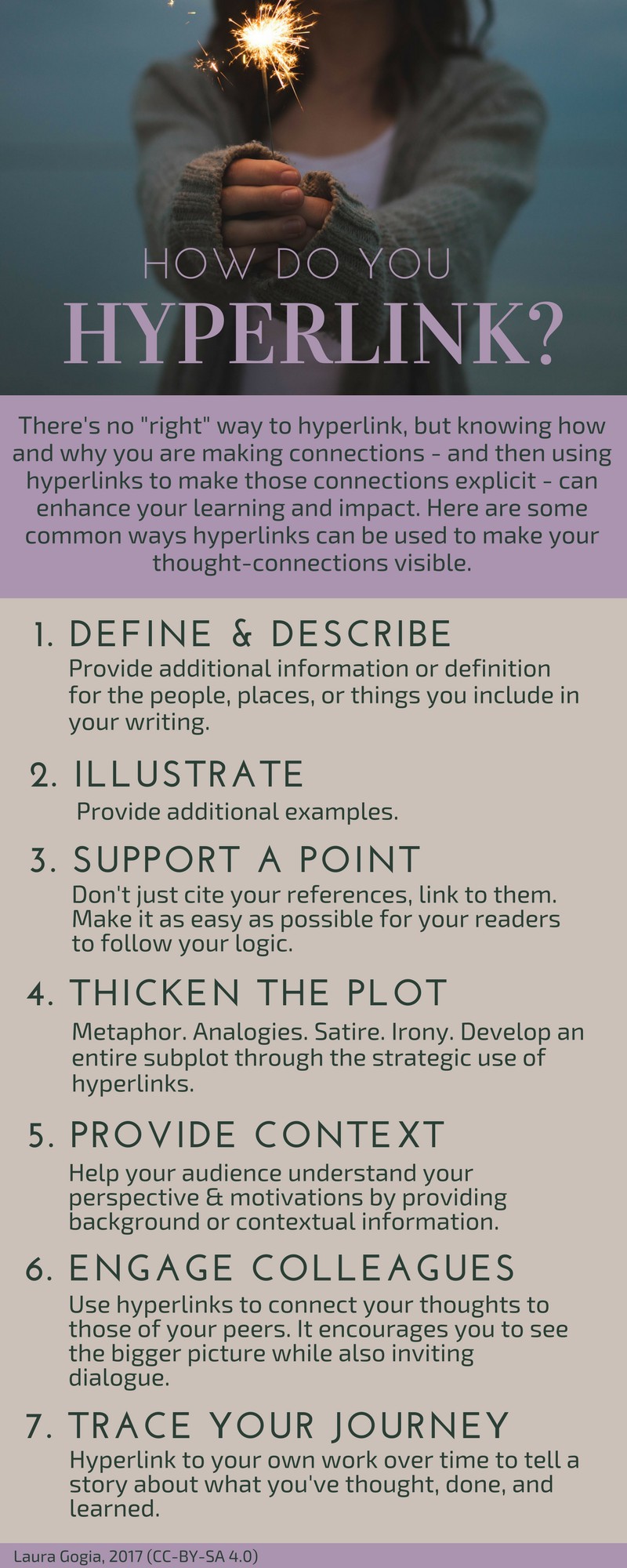
How Do You Hyperlink (Visual Article Series)
Another remake, this time of a graphic that emerged from my dissertation research. You can find the original here. The photograph was taken by Morgan Sessions and can be found on unsplash.com for universal (public domain) use.


Laura Gogia on the strategies – and welcome surprises – of open, connected learning
In part two of our conversation, Dr. Laura Gogia talks about strategies for getting to meaningfully connected learning–and for dealing with the feeling of information overload. (You might call it FOIO, not to be confused with FOMO.) Laura also discusses how effective strategies for openly networked learning can also lead to moments of surprising and rewarding serendipity. There are paradoxes at work here, and Laura explores them with her characteristic insight and zest.
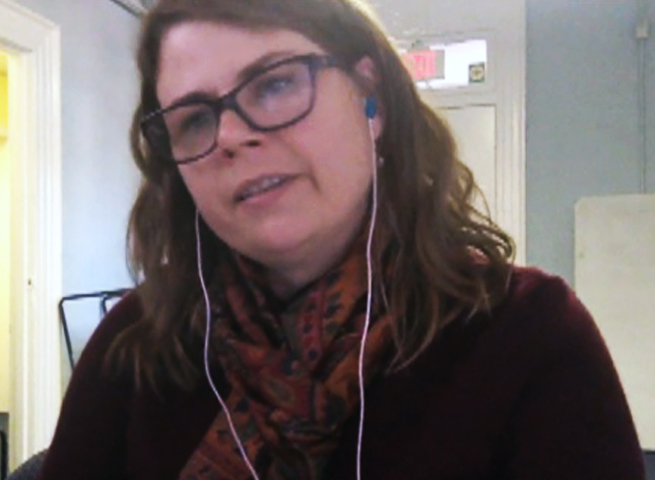
For more of Laura’s thoughts and plans regarding her role as “connected learning coach” for Open Learning ’17, don’t miss her blog post over at “Messy Thinking.” It’s a tour de force.

Photography – Week 150-ish
I’ve missed a few weeks. No guilt.
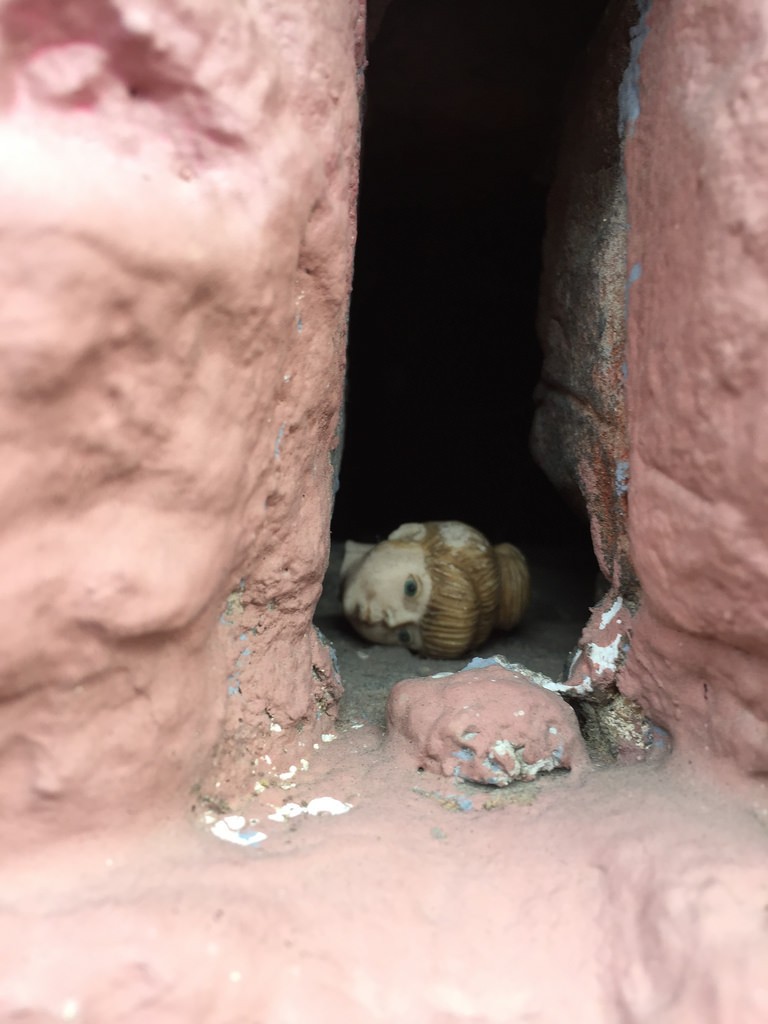
I am playing around with more phone photography. I doing some stuff on Instagram but have mixed feelings there. Lots of ‘likes’ and what not but I’m not sure what else.
Given a chunk of the missed time was over break you’ll see a lot more nature shots in here.


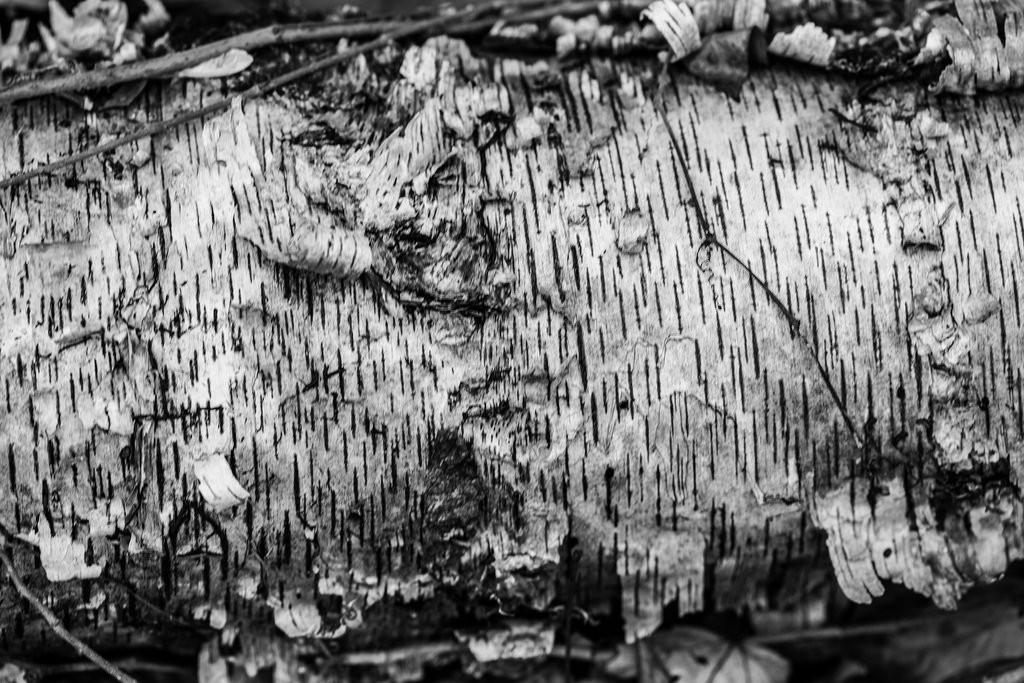



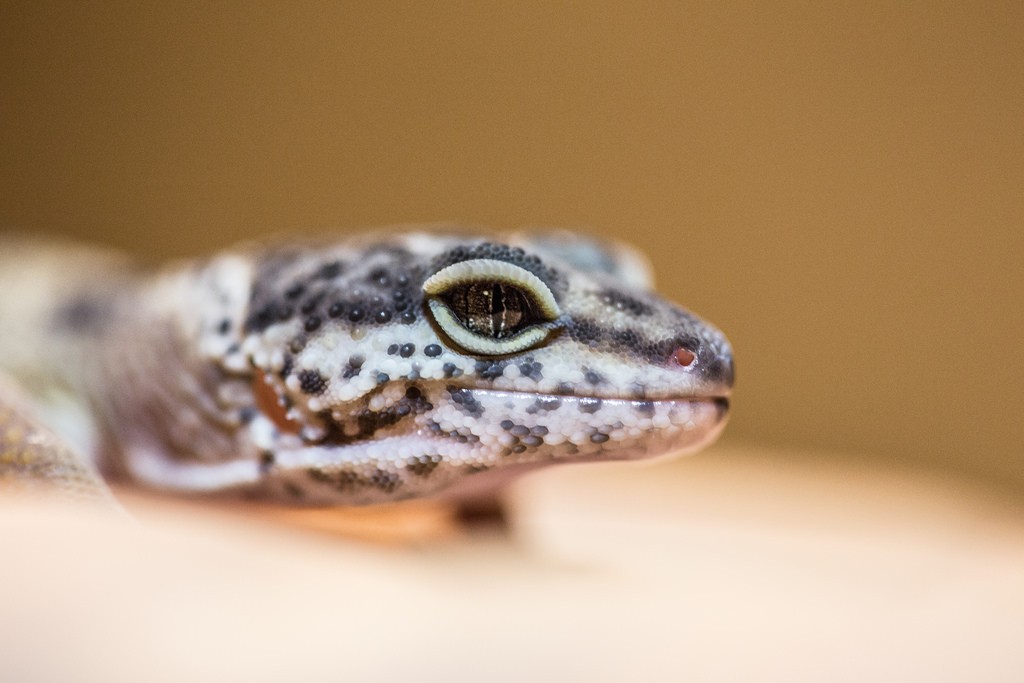
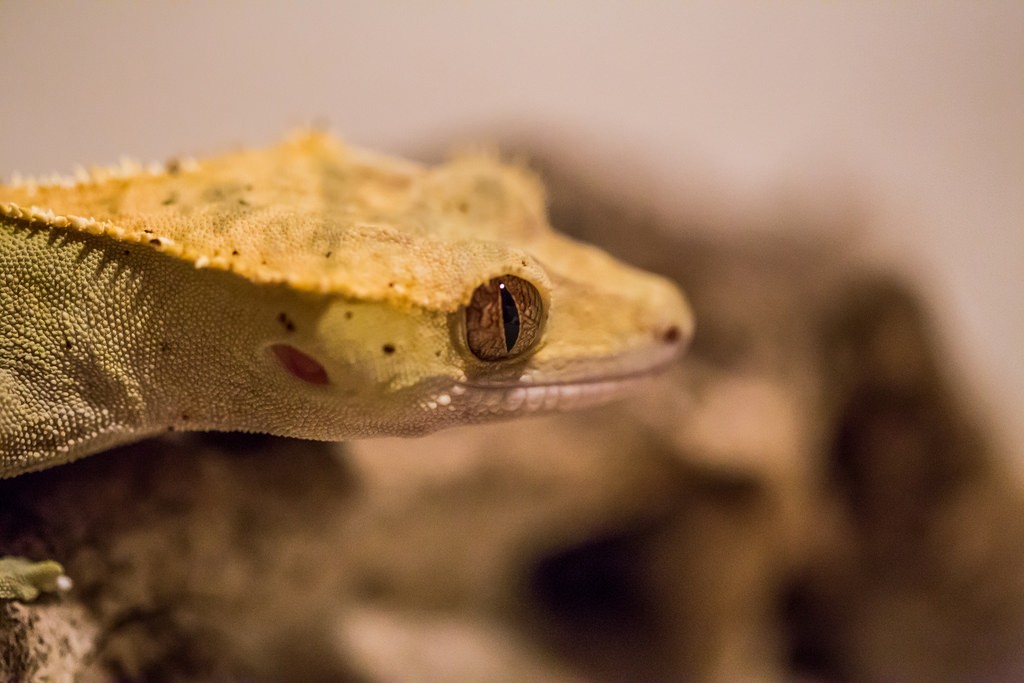
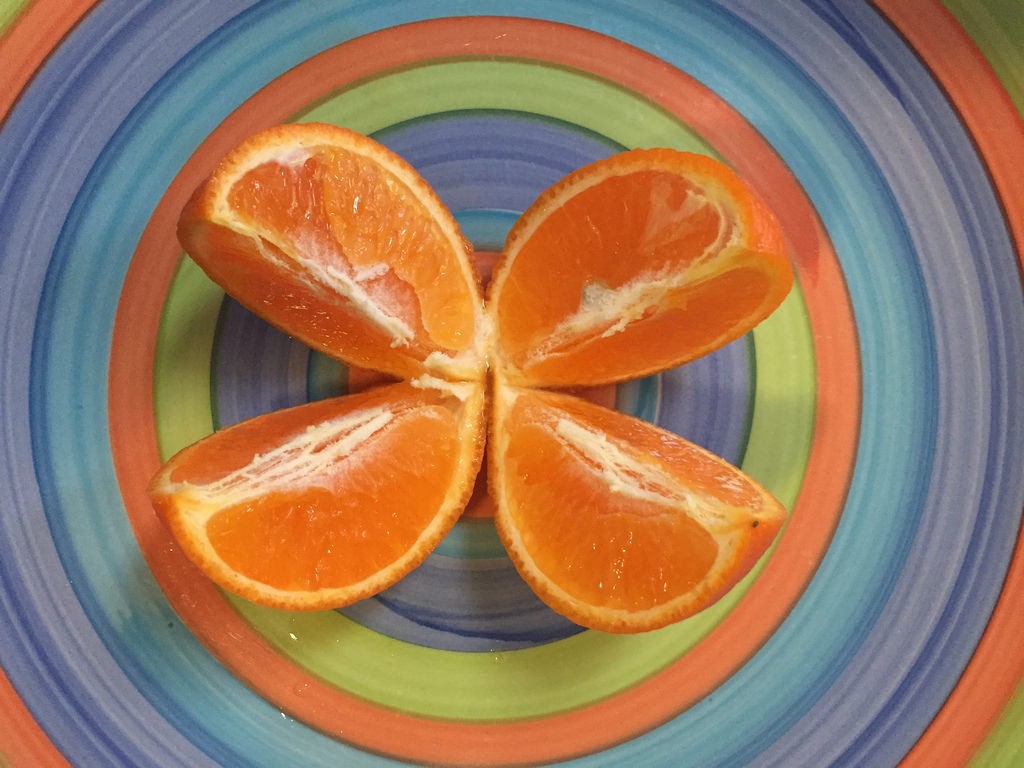
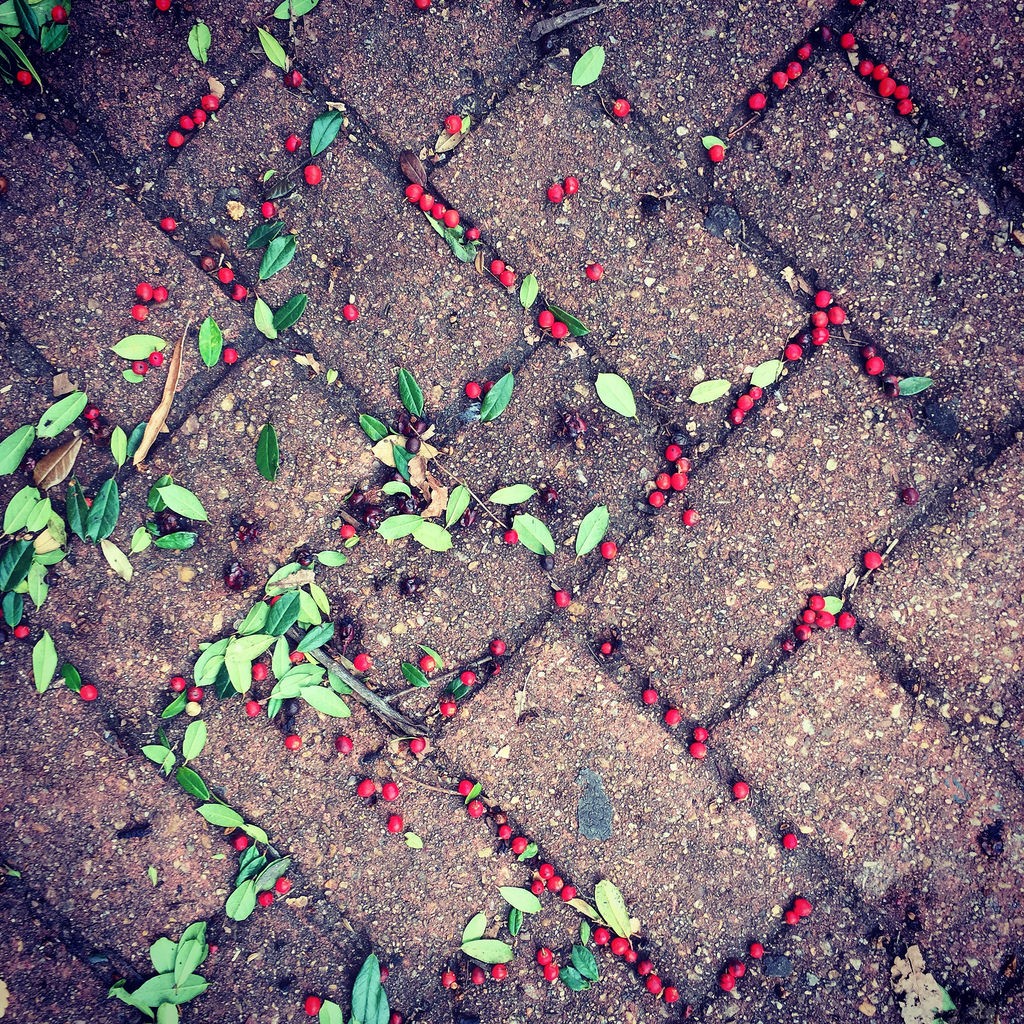
I’m also drawing more with the kids.
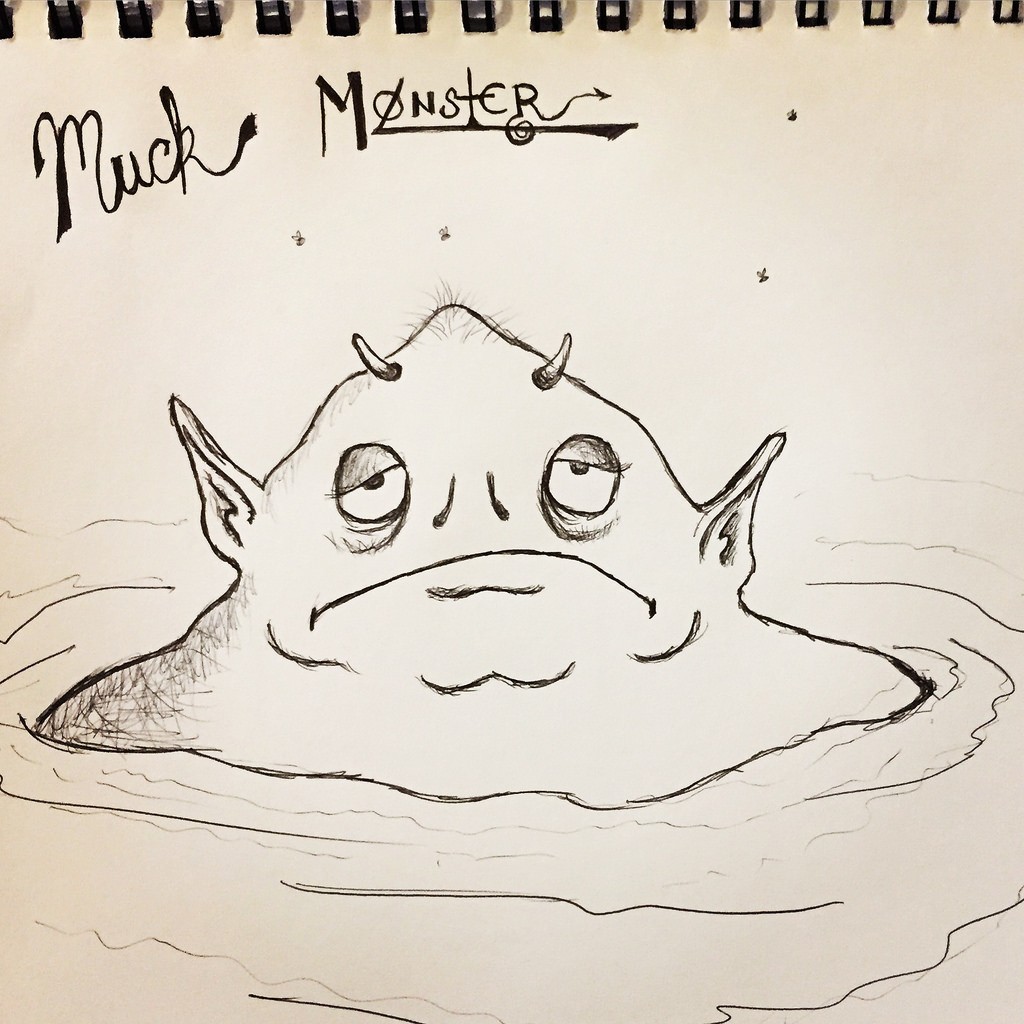
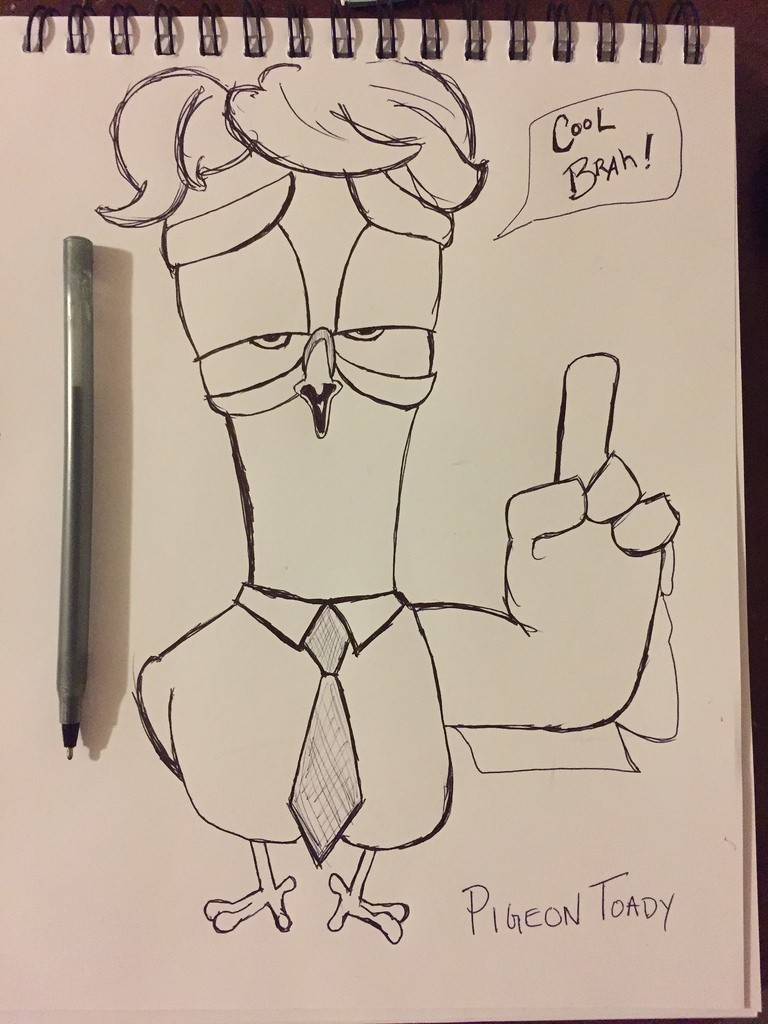
Using only the finest Bic pens . . .
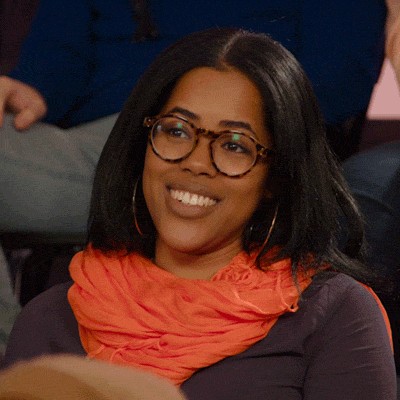
Greetings from the #OpenLearning17 Connected Learning Coach
This week marks the opening of Open Learning: A Connectivist MOOC for Faculty Collaboratives, a 15-week course that aims to “design and provide a helpful and stimulating learning experience for all participants that results in measurable improvement in the use of digital affordances and sustainable professional development connections across Virginia and other areas.”
For the uninitiated, faculty collaboratives are part of the American Association of Colleges & University (AACU) LEAP initiative. Since 2005, LEAP (Liberal Education & America’s Promise) has promoted college learning that involves high-impact educational practices and authentic assessments; faculty collaboratives support LEAP success by creating large-scale, sustainable networks of resources meant to support faculty development on LEAP-related principles, practices, & outcomes. The #OpenLearning17 MOOC represents a partnership between AACU and the State Council for Higher Education of Virginia (SCHEV) and is the faculty collaborative experience for Virginia that seeks to enhance digital literacy and leadership among the faculty of institutions of higher education in Virginia and beyond.
Hello, I am Laura Gogia, your Connected Learning Coach for the #OpenLearning17 Course.
More explanation may be needed :). Here are the obvious questions that come to mind.
Question: WHAT IS CONNECTED LEARNING & WHAT DOES IT HAVE TO DO WITH A CONNECTIVIST MOOC?
If you participate in #openlearning17, you will be working to enhance your ability to make connections in and across digital platforms, building visible networks of ideas, people, and personal/professional resources over time. It is one example of a connected learning experience.
Connected learning is a progressive educational approach (think Dewey) contextualized for the digital world. The National Writing Project does a great job of providing case studies and examples, Mimi Ito and colleagues’ agenda for connected learning research and instructional design goes into a bit more detail, and I’ve written a white paper on how connected learning was executed at Virginia Commonwealth University. If you read through all of these things, you’ll see that the purpose of connected learning is to create inclusive, creative, social, authentic learning environments meant to help students recognize, strategically reflect on, and forge new connections between people, contexts, ideas, and personal experiences. Although connected learning does not have to be executed in open digital environments, to do so opens the door to an entirely different level of access to and opportunity for authentic audiences, creative resources, and personal learning network development.

Question: AS A LEARNER, HOW DO I ENGAGE IN CONNECTED LEARNING?
As I mentioned above, connected learning is really a form of experiential learning, so we can think about it in terms of Kolb’s experiential learning cycle. I’ve written about it in more detail elsewhere. However, to cut to the chase, connected learners deepen their understanding by making connections:
- with other people (social learning)
- across their own thought trajectory, over time (reflective learning)
- across disciplines and contexts (interdisciplinary and cross-contextual)
- through different types of expression (multimodal; visual/audio/kinesthetic/etc)
Digital platforms allow us to makes those connections explicit via hyperlinks, embedded images, audio, and video which brings us to the final question…
Question: WHAT IS A CONNECTED LEARNING COACH?
Short answer: I am and this is not the first time I have done this; in fact, for more details, you can check out this WCET blog post. During this course – usually in the form of blog comments or tweets or infographics– I will be asking you to consider how you can use the affordances of the web to enhance your communication and learning.
For example, I might ask you to think about how a hyperlink – one form of a digital affordance – might make your thinking more explicit, increase your communicative impact, and enhance your own learning. If you click through the hyperlinks in this blog post, you will see that I made connections between my current thinking and:
- the course website & AACU website
- my past work
- other references, and
- other forms of expression (hint: the gifs)
In doing so, I not only demonstrated a understanding of audience (e.g. I provided context and additional resources for them), but also connected this current activity with my other scholarly work. I reconfirmed my purpose and position. I also put a lot of thought into what gifs would express what was going on in my head…which made me think about what was actually going on in my head more than I would have otherwise.

Digital spaces – particularly public digital spaces – allow you to do certain things that you cannot do on paper or in a closed classroom space. Of course, the reverse can be true as well…and we can reflect on that too. It is my HOPE, my genuine hope, that you will join me in exploring the digital nature of #OpenLearning2017 with curiosity as a truly unusual learning space.
Thanks – you’ll see me around 


Weekly Web Harvest for 2017-01-15
- Rogue Scientists Race to Save Climate Data from Trump | WIRED
At Penn, a group of coders that called themselves “baggers” set upon these tougher sets immediately, writing scripts to scrape the data and collect them in data bundles to be uploaded to DataRefuge.org, an Amazon Web Services-hosted site which will serve as an alternate repository for government climate and environmental research during the Trump administration. (A digital “bag” is like a safe, which would alert the user if anything within it is changed.)
- It’s more than just the words
Personal sites, our blogs, these were once our playgrounds. My own site was the first place I added rollover images, CSS for fonts, tried out a “table free” design. I wrote about the web, surrounded by my own experiments with the web. We all did, and it was only in reading those words from 1999 that I realised there was more to owning your own content than simply not publishing your words elsewhere.

Hello
 I work as an instructional designer and faculty professional development manager. I have been an advocate and champion for OER since the beginnings, and I look forward to learning more during this course. My background include developing courses with backwards design alignments to purely OER content. I also have developed hybrid OER options and interactive OER games and formats for students using coding.



First blog post
This is my first foray in putting myself out there, my words, my thoughts, no doubt my ramblings… I will be using this blog initially to share thoughts about the Open Learning Hub: http://openlearninghub.net/


First blog post
This is my first foray in putting myself out there, my words, my thoughts, no doubt my ramblings… I will be using this blog initially to share thoughts about the Open Learning Hub: http://openlearninghub.net/
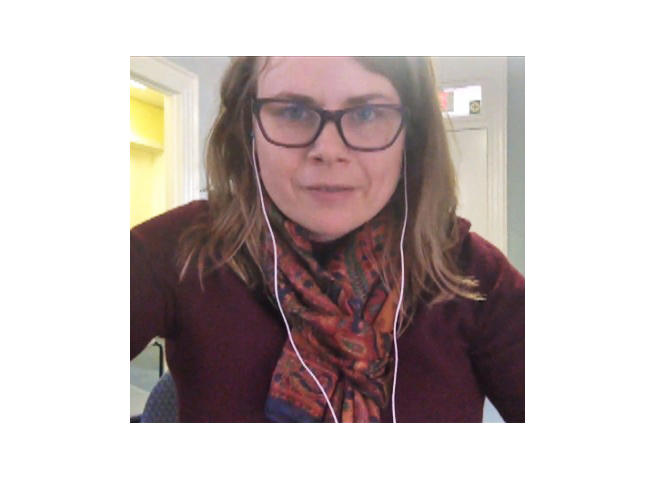
Laura Gogia, Connected Learner and Connected Learning Coach
Dr. Laura Gogia practices leadership in “connected learning,” a paradigm that shaped the work of Virginia Commonwealth University’s Academic Learning Transformation Laboratory (ALT Lab), and one that continues to inform vital research and practice around the world. This “way of life,” as Laura describes it, also helps to describe the many powerful links between AAC&U’s Faculty Collaboratives project and Open Learning ’17.
Laura sat down with me recently to describe her background and how her work first as a physician, and then a Ph.D. student in educational research, led her to the practice of openly networked learning. In part one of our conversation, Laura tells the story of her search for community, and how as Open Learning ’17’s “connected learning coach” she will help our community of learners find their own paths to more effective networked learning.
Please click on the image below to see and hear our conversation.

In part two of the interview, coming soon, Laura discusses strategies for the most effective kinds of connected learning. She also points out important connections–or “crosswalks,” as Susan Albertine calls them, between connected learning and the “mind-liberating education” Dr. Albertine and the AAC&U advocate as an essential part of all higher learning.
You can read more of Laura’s impressive and soulful work on her website, Lauragogia.com, where you will also find a link to her blog, “Messy Thinking.”